
Sindhi Culture in Rajasthan – Traditions That Still Live in the Desert
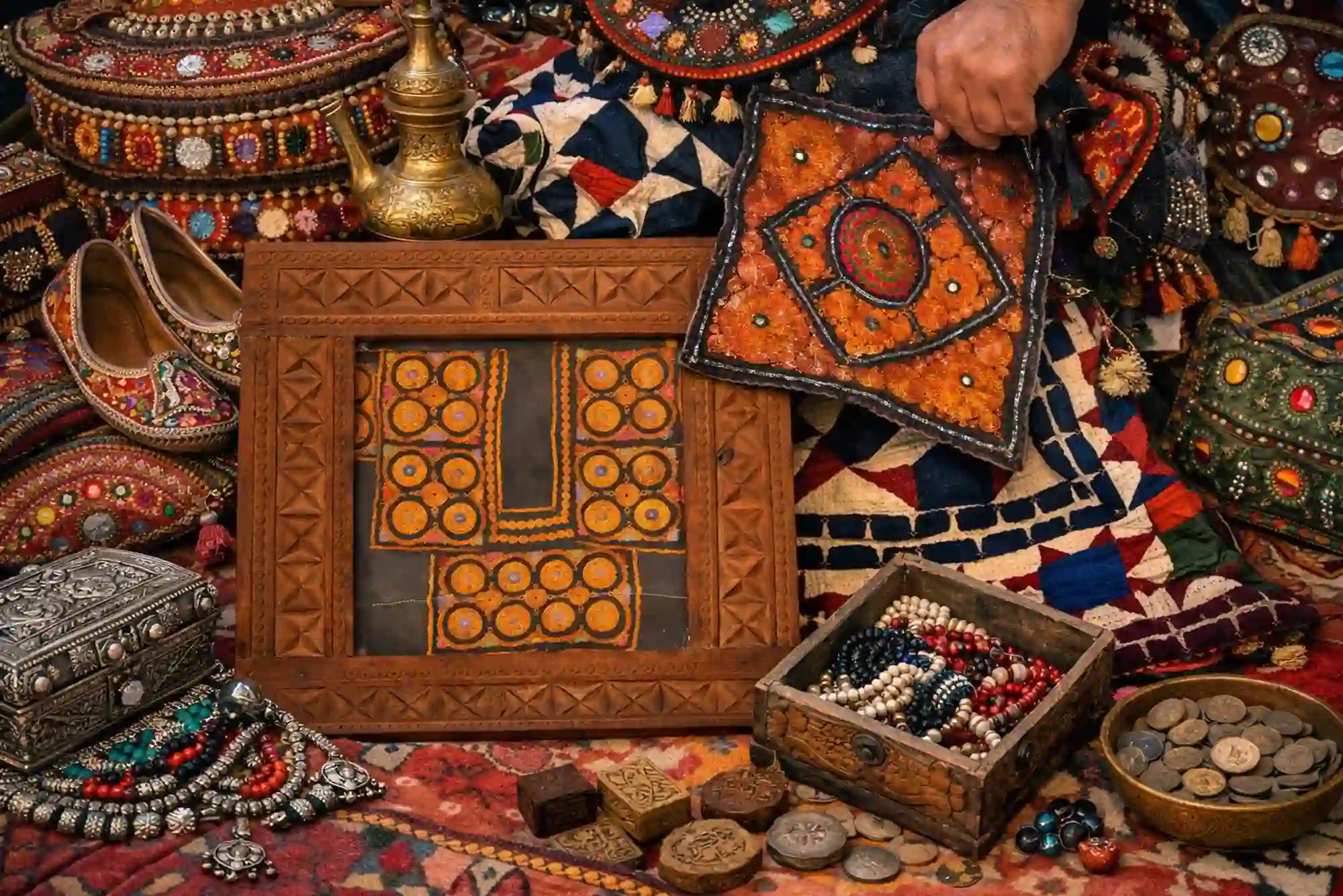
Sindhi culture in Rajasthan does not announce itself.
It does not sit behind glass, nor does it perform for visitors. It survives quietly—in kitchens before sunrise, in stitches made without hurry, in stories told without an audience.
To encounter it, one must slow down enough to notice what is not trying to be seen.
A Culture Shaped by Movement, Not Borders
Sindhi communities in Rajasthan are the result of centuries of movement—long before borders, before paperwork, before the idea of fixed identity.
Trade routes, seasonal migrations, droughts, and political changes pushed communities across regions. Some Sindhi groups settled in desert landscapes, adapting their lives to arid conditions while carrying their cultural practices with them.
What remained constant was not place, but practice.
Culture travelled lightly—embedded in habits, not possessions.
Living Traditions That Never Became Performances
Unlike cultures that became publicly celebrated, Sindhi traditions in Rajasthan largely remained domestic.
They lived inside:
- Daily cooking routines
- Textile work done for family use
- Oral storytelling
- Rituals observed without spectacle
These traditions were never separated from life itself. They were not scheduled or documented. They simply continued.
This is why much of Sindhi culture feels invisible today—it was never designed for visibility.
Raalli: Stitching Memory Into Fabric
Among the most powerful expressions of Sindhi culture is Raalli (Ralli)—a hand-stitched patchwork textile made from reused fabric.
Raallis were created slowly, often over years. Small pieces of old clothing were stitched together into geometric or symbolic patterns. Each fragment held memory—of a garment worn, a person known, a moment lived.
Raallis were deeply meaningful because they were:
- Part of dowry and inheritance
- A family’s gift to a departing daughter
- Objects meant to comfort and protect
They were not decorative items.
They were emotional anchors.
Women as the Keepers of Culture
In Sindhi communities, women have long been the primary carriers of cultural continuity.
Through:
- Stitching
- Cooking
- Teaching children
- Repeating rituals
Culture was transmitted not through instruction, but through observation and repetition.
Skills were absorbed naturally—by watching elders, by helping, by doing.
As modern life pulls younger generations away from time-intensive practices, this quiet transmission has begun to weaken.
Food as a Cultural Archive
Sindhi food traditions in Rajasthan evolved with the desert.
Ingredients changed based on availability, but techniques remained. Preservation, slow cooking, and careful use of resources became essential.
Recipes were not written down. They were remembered.
Food became another way culture survived—unchanged in intention, adaptable in form.
Oral Memory and Storytelling
Sindhi culture relied heavily on oral tradition.
Stories, sayings, and songs carried:
- Moral lessons
- Community values
- Historical memory
- Emotional resilience
In environments where written records were scarce, memory became archive.
And memory thrives best in stillness.
Adaptation Without Erosion
What makes Sindhi culture in Rajasthan remarkable is its ability to adapt without losing essence.
Clothing styles adjusted to climate.
Homes reflected local materials.
Food incorporated desert ingredients.
But the underlying values—patience, reuse, family continuity—remained intact.
This balance allowed culture to survive displacement without dilution.
Why These Traditions Are Disappearing Today
The decline of Sindhi cultural practices is not sudden or dramatic.
It happens quietly.
- Raalli stitching is time-consuming and poorly compensated
- Machine-made alternatives are cheaper and faster
- Younger generations seek livelihoods with immediate returns
- Cultural skills are no longer economically viable
As skilled women age, fewer take their place.
What disappears is not just craft—but knowledge embedded in process.
Why Travel Still Matters
Travel, when done slowly and respectfully, can help cultures survive—not by consuming them, but by acknowledging them.
When travellers:
- Value handmade over mass-produced
- Ask about process rather than price
- Understand time as part of worth
Cultural practices feel seen, not exploited.
This recognition—however small—often becomes encouragement.
Encountering Sindhi Culture Through Place
Sindhi culture is best encountered not through explanation, but through environment.
In desert regions near historic settlements, you notice:
- Textiles used daily, not displayed
- Objects repaired instead of replaced
- Food cooked without modification
These are not preserved artefacts.
They are living practices.
A Quiet Invitation from Dreamtime Bungalows
At Dreamtime Bungalows, the only stay located within the historic village of Kuldhara, Sindhi cultural elements appear organically—through Raalli textiles, handcrafted details, and stories connected to nearby communities.
Upon request, guests can also access Raalli pieces sourced directly from the few skilled women still practising this art nearby—ensuring the craft is supported respectfully and fairly.
Nothing here is staged.
Nothing is rushed.
For those curious about desert communities and traditions that still live quietly within them, Dreamtime offers space to observe without intrusion.
📍 Dreamtime Bungalows, Kuldhara — near Jaisalmer, Rajasthan
📞 +91-6367071565 | 📧 hello@dreamtimebungalows.com
Some cultures survive not by being displayed,
but by being allowed to continue—slowly, quietly, and with dignity.
Recents Blog
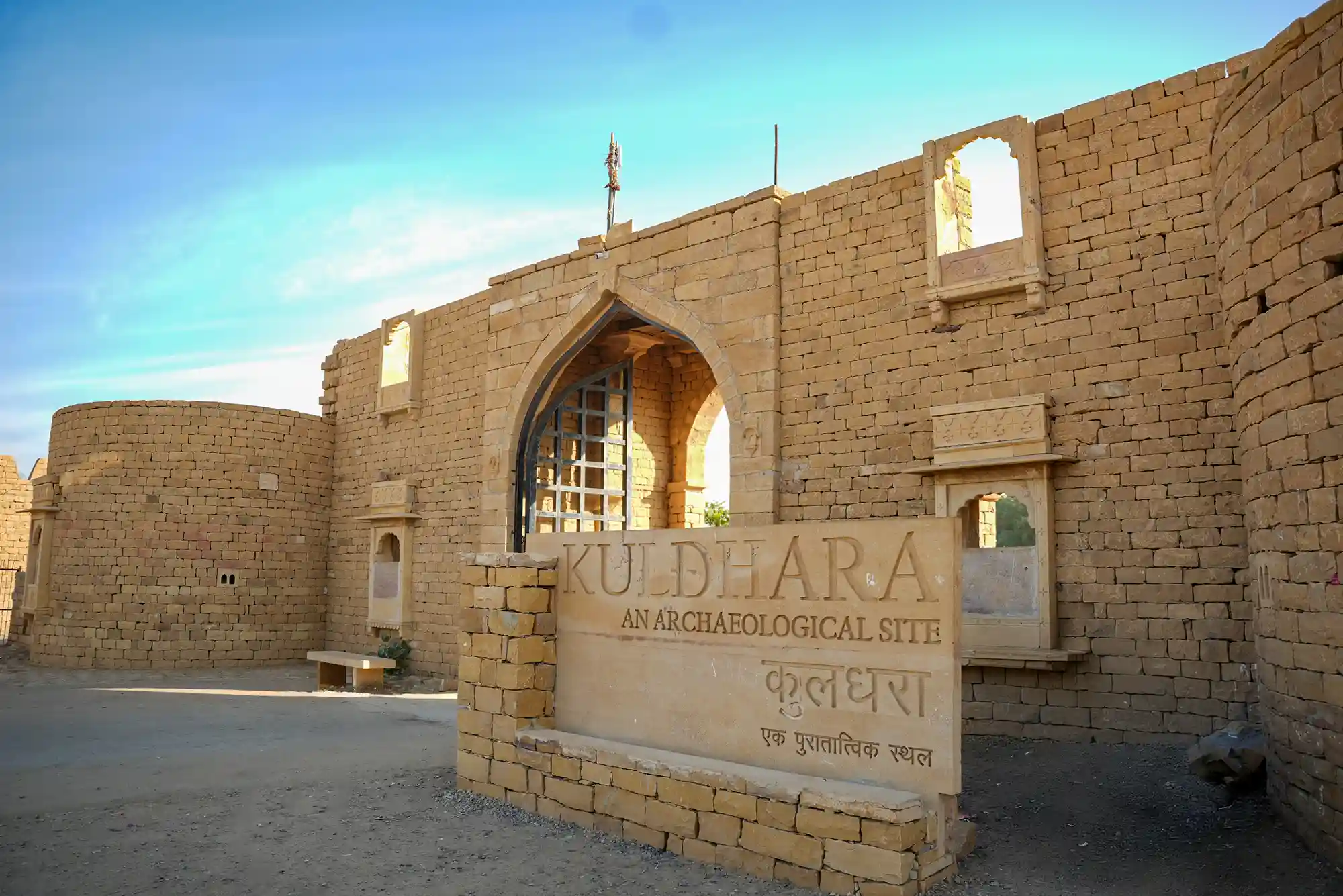
Is Kuldhara Really Haunted? Understanding the Myths Through Slow Travel
Is Kuldhara Really Haunted? Understanding the Myths Through Slow Travel Kuldhara is often spoken about in whispers.A village abandoned overnight.A...
Best Stargazing Experiences in Rajasthan’s Desert
Best Stargazing Experiences in Rajasthan’s Desert Most of us live under lit skies.Streetlights, buildings, vehicles, screens—night has been diluted into...
Digital Detox Travel in India – Why the Desert Is the Best Place to Disconnect
Digital Detox Travel in India – Why the Desert Is the Best Place to Disconnect Disconnection has become a luxury.Not...
Frequently Asked Questions
About Kuldhara
Sindhi communities in Rajasthan trace their presence to centuries of migration driven by trade, seasonal movement, and environmental changes. Their culture survived through practices rather than fixed geography.
Sindhi culture in Rajasthan adapted to desert conditions while retaining its core values—reuse, patience, family continuity, and oral tradition—resulting in a distinct yet rooted cultural expression.
Raalli is a traditional Sindhi patchwork textile made from reused fabric pieces. It holds deep cultural significance as dowry, inheritance, and emotional security passed across generations.
Many Sindhi traditions were never meant for public display or commerce. They existed within homes and daily routines, which kept them outside formal recognition and documentation.
Women have historically been the primary carriers of Sindhi culture through textile work, food traditions, rituals, and oral storytelling passed down informally.
Time-intensive practices like Raalli stitching offer little economic return, leading younger generations to move toward faster livelihoods and machine-made alternatives.
Slow, respectful travel that values process, time, and handmade work helps sustain cultural practices by creating recognition without exploitation.
Yes. In desert regions near historic settlements like Kuldhara, Sindhi culture can still be experienced through textiles, food, and daily practices rather than performances.
At Dreamtime Bungalows, the only stay located within Kuldhara village, Sindhi cultural elements like Raalli textiles are integrated into living spaces, and upon request, guests can source handmade pieces directly from local women artisans.
Book Your Stay With Us
Book Now & Enjoy the Luxury of Our Cottage!
Whether you’re here for a single night of stillness or a week-long escape into desert life — Dreamtime Bungalows is ready to host you.
Slow down. Breathe deep. Let the desert remind you how simple life can be.
Our Social Media :
The Perfect Winter Escape Awaits!
Cool desert mornings, warm bonfires, and nights under endless stars — book your winter stay at Dreamtime Bungalows.