
Life in the Thar – Understanding Rajasthan’s Desert Ecosystem
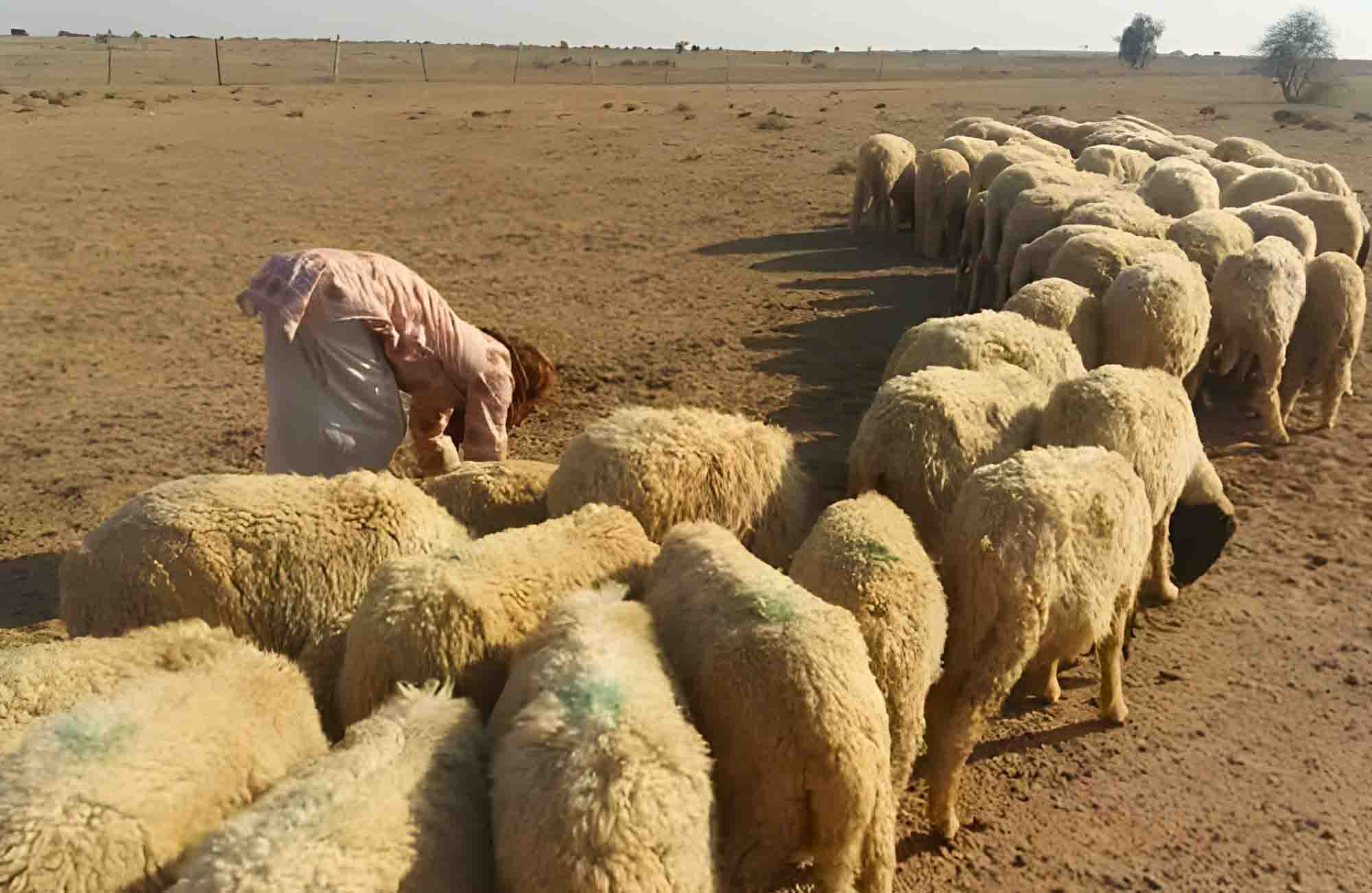
A Desert That Breathes
To the hurried traveler, the Thar Desert might seem barren — a vast stretch of sand and silence under an unending sky.
But stay a while. Slow down. Listen.
You’ll realize the desert isn’t empty at all.
It’s alive — in its own quiet, deliberate way.
Every dune holds a rhythm. Every thorn hides a story. Every gust of wind carries the heartbeat of life in Rajasthan’s desert ecosystem — subtle, resilient, and astonishingly complex.
This is not a wasteland. It’s a world that has learned to thrive where others would surrender.
The Thar — India’s Living Desert
The Thar Desert, also known as the Great Indian Desert, covers nearly 200,000 square kilometers — stretching across Rajasthan, Gujarat, and parts of Pakistan.
Yet, within this arid landscape exists an astonishing balance of flora, fauna, and human life.
It’s one of the most densely populated deserts in the world, home not only to camels and dunes but to entire communities — farmers, herders, artisans, and tribes who’ve lived here for generations, shaping a culture deeply tied to the land.
Around Jaisalmer, the desert feels especially poetic — its colors softer, its winds older, and its skies impossibly vast.
And within this region lies Kuldhara — a ghost village turned heritage site — and nearby, Dreamtime Bungalows, where travelers can observe the Thar’s living ecosystem up close, in stillness and respect.
The Rhythm of the Seasons
Unlike most places, the Thar’s seasons don’t change dramatically — they shift in rhythm.
- Summer (March to June): Harsh yet beautiful. The air ripples with heat, and survival depends on adaptation.
- Monsoon (July to September): Short but miraculous. The desert bursts into color — grasses rise, flowers bloom, and life stirs awake.
- Winter (October to February): The most serene season. Cool winds, warm sunlight, and star-filled nights create the perfect time to explore.
This cycle of scarcity and renewal shapes everything — from how plants grow to how animals move, to how humans live.
And nowhere is this rhythm more poetic than along the banks of the Kak River.
The Kak River — The Desert’s Brief Miracle
Just beyond the dunes near Dreamtime Bungalows flows the Kak River — or rather, it appears to flow, only when the monsoon graces the desert.
For most of the year, the Kak is a dry, sandy riverbed — a memory of water.
But when the rains arrive, it transforms the landscape.
The air cools, the soil darkens, and life rushes in — insects, birds, and even migrating wildlife.
Locals and travelers often gather near its banks for morning or evening tea, watching how water turns stillness into celebration.
The Kak reminds you of a truth the Thar never hides — that even the most silent places are capable of joy.
Flora of the Thar — The Art of Survival
If you walk through the desert around Kuldhara and Jaisalmer, you’ll notice that every plant looks sculpted by wind and wisdom.
Here are some of the desert’s most iconic survivors:
Khejri Tree (Prosopis cineraria)
The lifeline of the Thar. Known locally as the “Tree of Life,” khejri provides shade, food, fuel, and even spiritual comfort. Its deep roots find water far beneath the dunes, sustaining birds and livestock through droughts.
Ber (Ziziphus mauritiana)
A hardy shrub that bears sweet fruit, loved by both humans and desert birds. In local belief, the ber tree represents endurance — thriving under pressure, much like desert people themselves.
Rohida (Tecomella undulata)
The “Desert Teak.” Its brilliant orange flowers bring color to the dunes during the driest months. It’s also the state tree of Rajasthan — a symbol of grace in adversity.
Cacti and Grasses
From sewan grass that anchors dunes to hardy succulents that store precious moisture, these plants show how adaptation is the ultimate form of beauty.
Every branch, thorn, and bloom is nature’s quiet rebellion against emptiness.
Fauna — The Desert’s Hidden Citizens
To the patient eye, the Thar teems with life. You just have to slow down enough to see it.
Birds of the Thar
The desert sky is a stage for some of the most graceful performers in Rajasthan’s ecosystem.
- Great Indian Bustard: One of the world’s rarest birds — tall, elegant, and critically endangered. Spotting one near the grasslands around Jaisalmer is a treasure few experience.
- Demoiselle Cranes: Thousands migrate from Siberia every winter, filling the sky with movement and song.
- Eagles, Kites, and Falcons: Masters of the desert thermals, they circle gracefully above the dunes.
- Peacocks and Partridges: Their calls echo through early mornings at Dreamtime, blending with the sound of the wind.
Animals and Insects
At first glance, the Thar seems still — motionless under the sun, endless in its silence.
But stay long enough, and you’ll realize the sand is always alive.
It moves, breathes, and shelters a world of creatures perfectly in tune with its rhythm.
When the Sun Sets
As dusk falls, the desert begins to stir.
- Desert Foxes and Jackals step softly through the dunes, their paws barely leaving a trace.
- In the open plains, graceful Chinkara (Indian gazelles) appear — slender, alert, and bathed in gold. You might even spot them near the Dreamtime Bungalows premises at sunrise, grazing quietly before retreating into shade.
- Nilgai (blue bulls) wander close to oases and farmland, their calm presence a reminder that even in the harshest land, peace exists.
When Night Deepens
After dark, the Thar’s nocturnal world awakens.
- Hyenas prowl the outer dunes, scavenging under the faint light of the moon.
- Packs of wild dogs move through the scrub in swift silence.
- Snakes glide across the cool sand, invisible except for the faint shimmer of their movement.
- Beneath the rocks, scorpions rest in perfect stillness — masters of camouflage, hidden until the desert itself breathes.
The night here belongs to shadows and whispers — to creatures that survive not through strength, but through stillness.
Life Beneath Your Feet
Not all desert life hides far away. Look closely — life is everywhere.
- Monitor lizards, beetles, and spiny-tailed lizards trace intricate patterns on the sand.
- Around Dreamtime’s pathways and mud walls, you’ll often see tiny desert lizards warming themselves in the sunlight.
Each one is a lesson in adaptation — smaller bodies, lighter coats, slower movements — all perfectly designed to conserve what the desert holds most sacred: water.
The Spirit of the Desert
And then, there are the camels — Rajasthan’s eternal companions.
Patient. Soulful. Unhurried.
They carry not just travelers, but centuries of memory — their silhouettes rising and falling with the dunes, moving in time with the wind.
Each creature — from the chinkara grazing at dawn to the scorpion hiding at dusk — is part of the same quiet miracle:
a world that doesn’t shout to exist, but hums softly in balance with the land.
The Thar doesn’t roar with life — it hums with it.
Human Harmony — Living with the Land
For centuries, the desert communities of Rajasthan have lived not against nature, but with it.
Villagers in regions like Kuldhara, Sam, and Lodhruva have perfected the art of coexisting with scarcity.
They harvest rainwater, grow crops in sand-rich soil, build mud houses that breathe, and celebrate festivals that mark every small gift of the land.
Even in music, you can hear the desert’s pulse — in the sarangi’s long notes, in the bhajans sung by moonlight, in the slow rhythm of camel bells echoing across the dunes.
The Thar teaches balance — take only what you need, give back what you can, and let silence do the rest.
Sustainable Desert Tourism — Listening Without Disturbing
To understand the Thar is to respect it.
Every footprint, every campfire, every photograph leaves an imprint — not just on the sand, but on the fragile ecosystem that calls it home.
At Dreamtime Bungalows, sustainability isn’t a marketing term — it’s a way of being.
From mud architecture that keeps rooms naturally cool, to minimal plastic use, to water conservation and local sourcing, every practice here honors the desert’s rhythm.
Travelers are encouraged to:
- Avoid littering or loud noise near dunes.
- Support local artisans and guides.
- Use eco-friendly toiletries and refillable bottles.
- Travel slowly — not just through the land, but through the experience.
Because true eco travel isn’t about seeing nature — it’s about letting nature see you, quietly and kindly.
Dreamtime Bungalows & the Desert — Living Classroom of the Thar
Staying at Dreamtime Bungalows means more than just enjoying a peaceful desert stay in India — it’s an immersion into the Thar’s living classroom.
Wake up to bird calls instead of alarms.
Watch desert foxes cross the sand at dawn.
Share tea with farmers at the edge of the Kak River.
Learn the names of trees, listen to wind patterns, and let the stillness teach you what abundance truly means.
Dreamtime connects travelers to nature without pretense — through eco-rustic design, desert walks, chulha dinners, and nights under starlit silence.
Here, sustainability isn’t a checkbox. It’s a story that unfolds with every breeze.
A Desert That Never Sleeps — It Just Dreams Differently
The Thar Desert ecosystem is not a landscape of emptiness. It’s a symphony — subtle, deliberate, and eternal.
It teaches patience, gratitude, and humility. It reminds us that even in scarcity, beauty flourishes.
And when you stay close enough — when you slow down long enough — you begin to see what the desert has always known:
Life doesn’t disappear in silence. It begins there.
Stay at Dreamtime Bungalows — Where Nature Still Speaks
Just minutes from Kuldhara Heritage Village, Dreamtime Bungalows offers travelers a chance to live within the desert, not apart from it.
With its mud cottages, oasis, hammocks, and open skies, it’s the perfect base for eco travelers, birdwatchers, and seekers of peace.
📍 Dreamtime Bungalows, near Kuldhara — Jaisalmer, Rajasthan
📞 +91-6367071565 | 📧 hello@dreamtimebungalows.com
💬 Book your stay today and let the Thar show you how alive silence can be.
Recents Blog
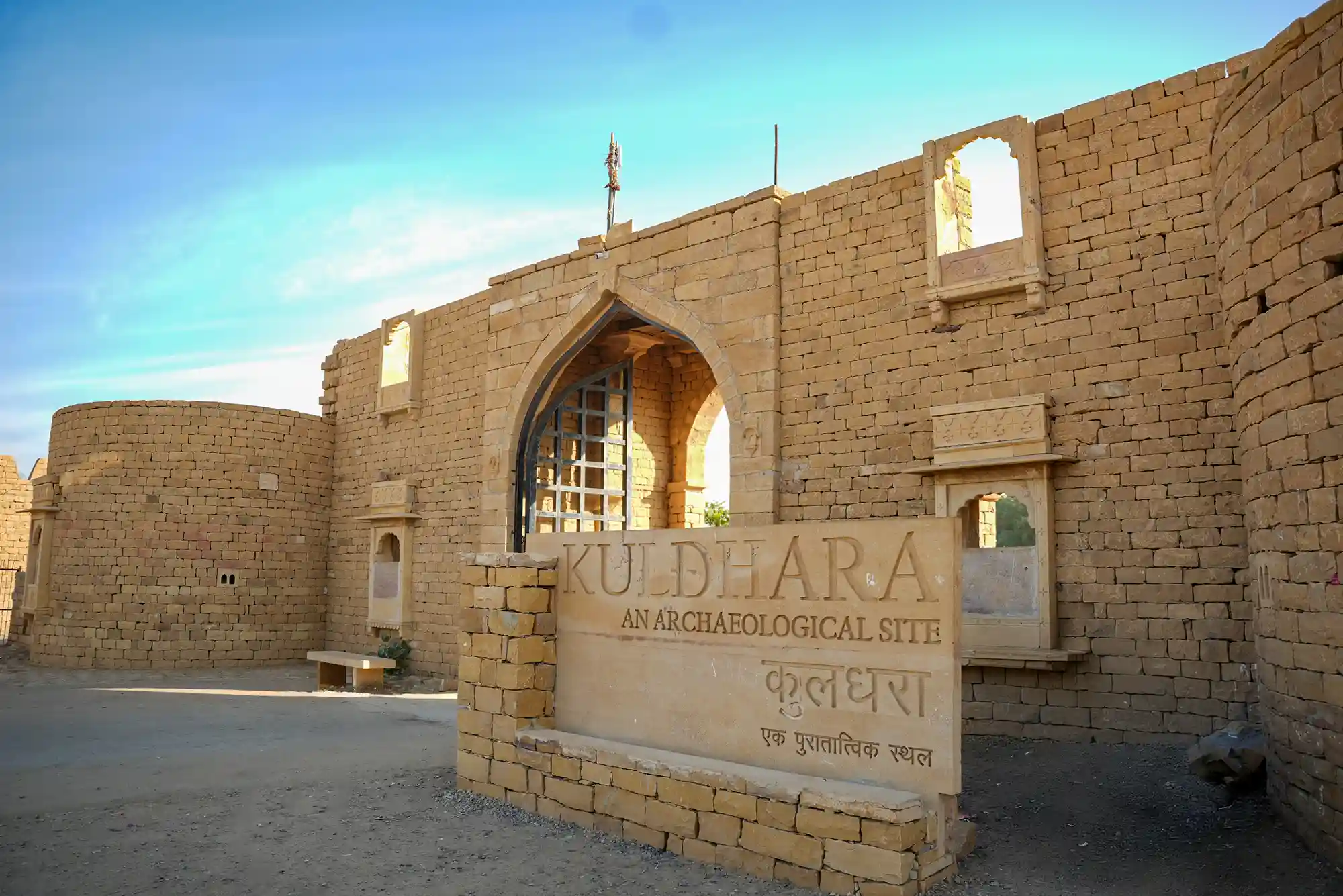
Is Kuldhara Really Haunted? Understanding the Myths Through Slow Travel
Is Kuldhara Really Haunted? Understanding the Myths Through Slow Travel Kuldhara is often spoken about in whispers.A village abandoned overnight.A...
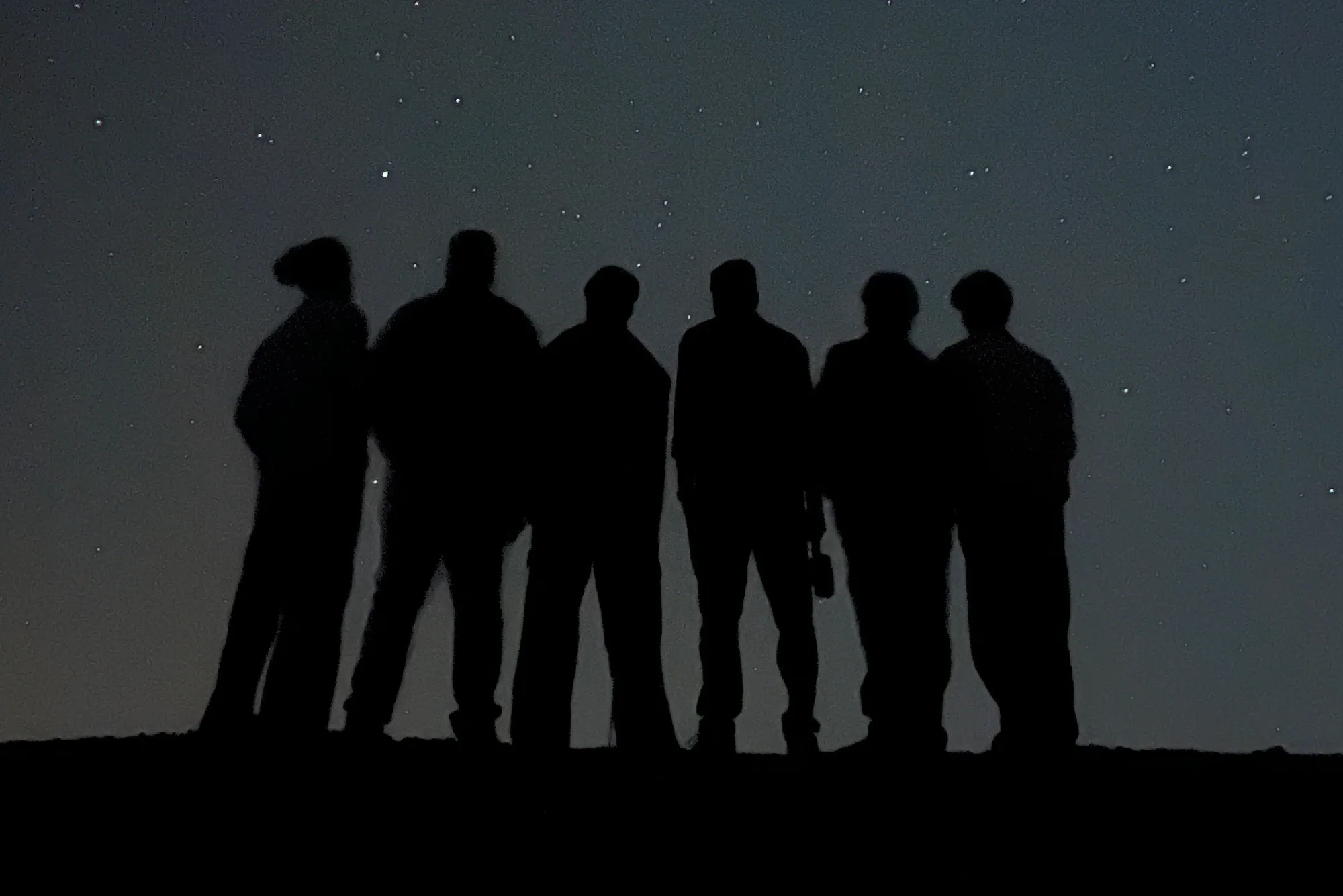
Best Stargazing Experiences in Rajasthan’s Desert
Best Stargazing Experiences in Rajasthan’s Desert Most of us live under lit skies.Streetlights, buildings, vehicles, screens—night has been diluted into...
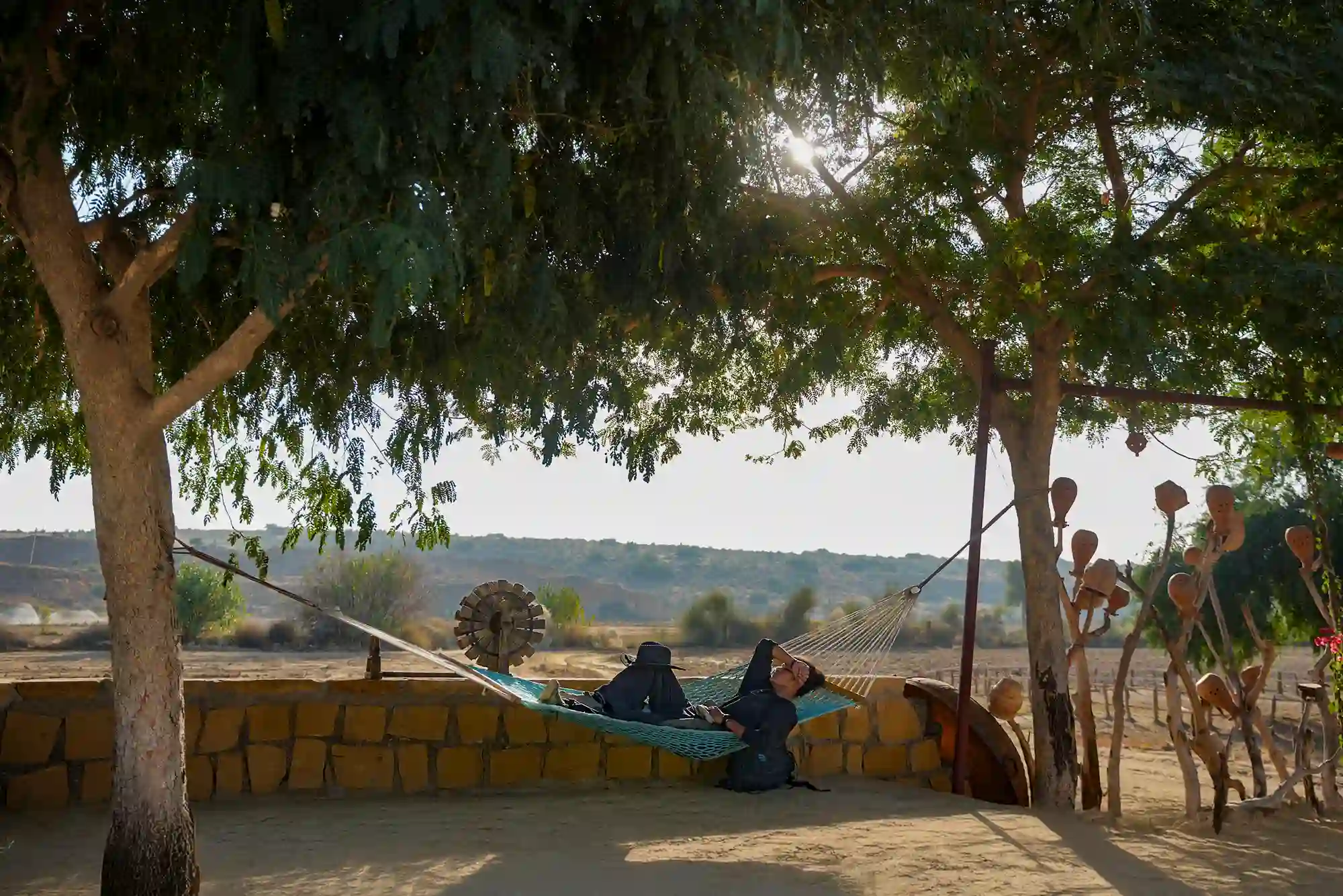
Digital Detox Travel in India – Why the Desert Is the Best Place to Disconnect
Digital Detox Travel in India – Why the Desert Is the Best Place to Disconnect Disconnection has become a luxury.Not...
Frequently Asked Questions
About the Thar Desert Ecosystem
The Thar Desert — also known as the Great Indian Desert — is one of the most biodiverse arid regions in the world.
Despite its harsh climate, it supports a rich variety of plants, animals, birds, and human communities.
From Khejri trees and Rohida blooms to Chinkara, Desert Foxes, camels, and bustards, every life form here has evolved with one goal — to thrive through adaptation and balance.
If you’re staying near Kuldhara Heritage Village or Dreamtime Bungalows, you’re right in the heart of the Thar’s living ecosystem.
Common sightings include:
- Desert Foxes and Jackals prowling at dusk
- Chinkara (Indian gazelles) grazing in open plains
- Eagles, Kites, Falcons, and Demoiselle Cranes gliding across vast skies
- Snakes, Monitor Lizards, and spiny-tailed lizards
- Scorpions, beetles, and other desert insects
- And, of course, camels, the soulful icons of Rajasthan
Each of these creatures plays a vital role in maintaining the delicate desert balance — making this region a paradise for nature lovers and wildlife photographers.
The Kak River is a seasonal river that flows near Kuldhara and Dreamtime Bungalows.
For most of the year, it rests quietly as a dry riverbed — but during the monsoon months (July–September), it transforms into a narrow, glistening stream that brings the desert to life.
This brief appearance attracts birds, insects, and grazing wildlife, and turns the surrounding land into a lush carpet of grass and wildflowers.
Watching sunrise or sunset by the Kak with tea in hand is one of the most peaceful experiences in Jaisalmer’s countryside.
The best time to experience the Thar Desert’s ecosystem is from October to February.
During this season, temperatures are pleasant, wildlife is active, and the air carries a crisp clarity perfect for desert walks, photography, and stargazing.
Monsoon (July–September) is also a rare treat — short-lived rains bring unexpected green patches, flowing streams, and an entirely new side of the Thar few travelers ever see
Through incredible adaptation.
- Animals have shorter limbs, lighter coats, and nocturnal habits to conserve energy and water.
- Birds migrate or change feeding patterns seasonally.
- Plants like Khejri, Ber, and Rohida have deep roots and small leaves to minimize water loss.
The desert teaches balance — everything here lives with awareness and restraint.
The Thar is a delicate ecosystem — one that deserves respect and mindfulness.
Here’s how to travel responsibly:
- Stay at eco-conscious accommodations like Dreamtime Bungalows.
- Avoid littering or playing loud music near dunes or villages.
- Use refillable bottles and eco-friendly toiletries.
- Support local guides, artisans, and farmers.
- Walk softly — both literally and culturally.
Sustainable travel in the Thar isn’t just about leaving no trace — it’s about leaving gratitude behind.
Because Dreamtime isn’t just located in the desert — it belongs to it.
Built from mud, lime, and stone, powered by sustainable practices, and surrounded by trees, hammocks, and a small oasis, it allows travelers to experience nature without disturbing it.
Guests here often wake up to the sounds of peacocks, spot lizards and chinkara nearby, and end their day watching the stars rise over Kuldhara’s silence.
It’s one of Rajasthan’s most peaceful eco stays near Jaisalmer — perfect for travelers who seek connection, not consumption.
Yes — the desert surrounding Kuldhara and Dreamtime is safe for exploration, especially during daylight hours.
Guests are encouraged to take guided walks, interact with local farmers, and visit nearby natural landmarks like the Kak River or Lodhruva dunes.
At night, the stillness is profound — peaceful rather than intimidating — and the starlit silence makes every step feel sacred.
The Thar is not just a landscape — it’s Rajasthan’s soul.
It shapes local architecture, food, art, and folklore. Its wisdom — of water conservation, community living, and coexistence — continues to guide modern sustainability.
Protecting the Thar means protecting a living heritage — one where humans and nature still move in rhythm.
By slowing down.
Stay at a place like Dreamtime Bungalows, where time follows the sun, not the clock.
Sip chai near the dunes, watch chinkaras cross the sand at dawn, listen to fox calls at night, and learn how silence can be full of stories.
The Thar doesn’t ask you to explore it — it invites you to belong to it, even if just for a while.
Book Your Stay With Us
Book Now & Enjoy the Luxury of Our Cottage!
Whether you’re here for a single night of stillness or a week-long escape into desert life — Dreamtime Bungalows is ready to host you.
Slow down. Breathe deep. Let the desert remind you how simple life can be.
Our Social Media :
The Perfect Winter Escape Awaits!
Cool desert mornings, warm bonfires, and nights under endless stars — book your winter stay at Dreamtime Bungalows.