
Why Handmade Crafts Are Disappearing—and Why Travel Can Help Save Them
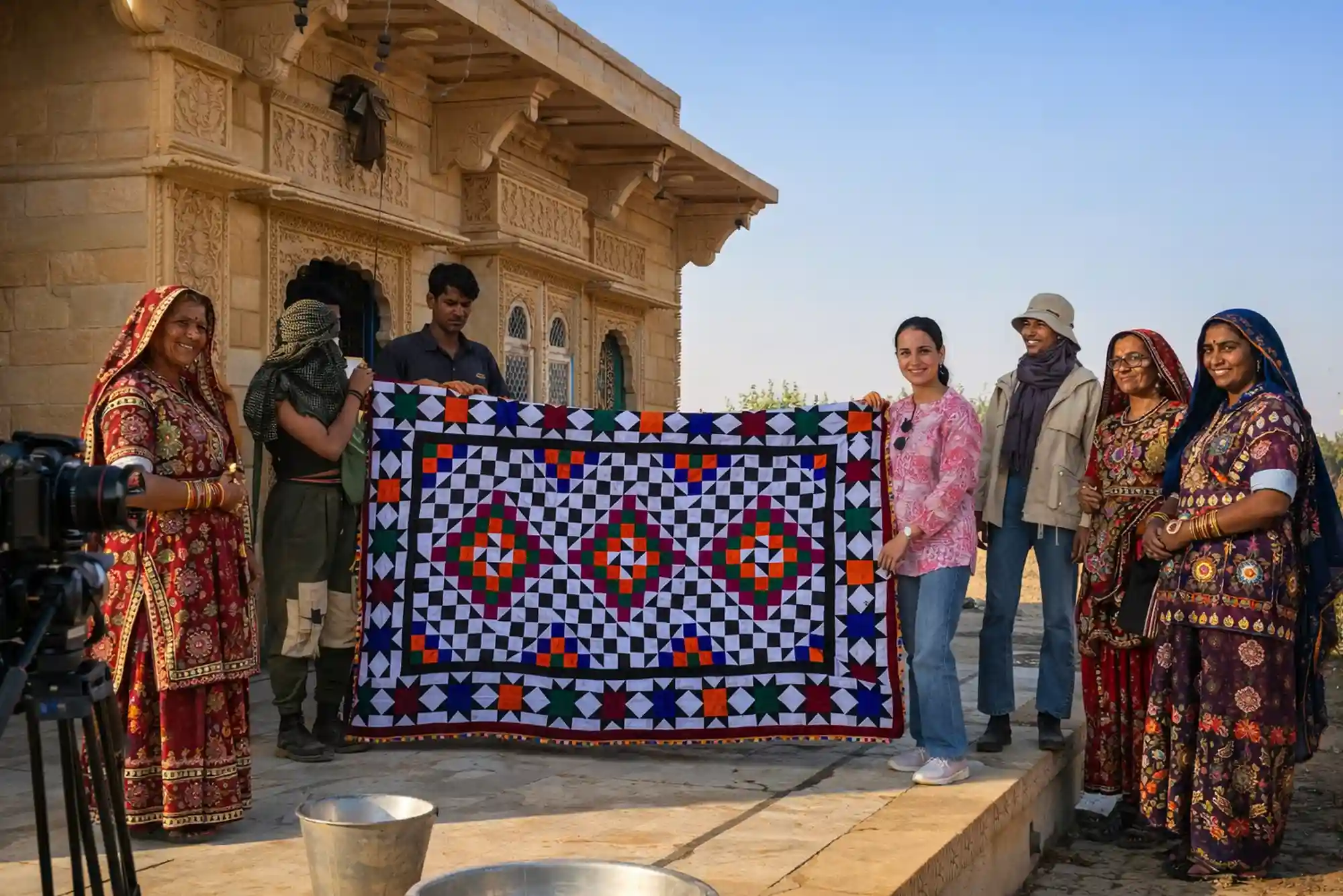
Handmade crafts rarely disappear loudly.
They don’t vanish overnight.
They don’t announce their decline.
They fade—quietly, one unfinished piece at a time.
Across India, crafts that once shaped daily life are slowly slipping into memory. Not because they lack beauty or skill, but because the world around them has begun to move too fast to wait.
When Craft Was Part of Living, Not Industry
For generations, handmade crafts in India were not professions.
They were part of living.
Textiles were stitched at home. Objects were repaired instead of replaced. Skills were passed down through observation, repetition, and time. No one asked how long something took—because time was already built into life.
Craft existed within rhythm, not deadlines.
The Economics That Changed Everything
The decline of handmade crafts is not a mystery.
It is structural.
- Handmade work is:
- Time-intensive
- Physically demanding
- Inconsistent in output
- Poorly compensated
- Machine-made alternatives are:
- Faster
- Cheaper
- Uniform
- Easier to scale
When survival becomes urgent, patience becomes unaffordable.
The Problem Isn’t Skill—It’s Value
Many artisans did not stop because they forgot how.
They stopped because effort stopped being valued.
A hand-stitched quilt that takes weeks to complete often earns less than a machine-printed replica made in hours. The market rewards speed, not care.
Over time, this imbalance makes continuation impossible.
What Gets Lost When Craft Disappears
When a craft fades, more than an object disappears.
What disappears with it:
- Knowledge embedded in process
- Cultural memory held in repetition
- Language spoken through pattern and stitch
- Emotional labour that had no substitute
Once lost, these cannot be recreated through documentation alone.
Raalli: A Living Example of Fragile Continuity
Raalli (Ralli) patchwork among Sindhi communities illustrates this clearly.
Once created as dowry pieces, family gifts, and emotional anchors, Raallis required months of stitching. Today, only a few skilled women continue the practice.
Why?
Because the time it demands no longer matches the value it receives.
As younger generations seek faster livelihoods, the chain weakens—not from disinterest, but necessity.
Why Preservation Cannot Be Forced
Craft preservation does not work through pity or nostalgia.
Artisans don’t want charity.
They want dignity.
For a craft to survive, it must:
- Be respected
- Be fairly valued
- Fit into present-day life
This is where thoughtful travel can make a difference.
Travel as Cultural Witness, Not Consumption
Travel has often harmed crafts by turning them into souvenirs.
But slow, conscious travel can do the opposite.
When travellers:
- Ask about process, not just price
- Understand why something costs what it does
- Value time as part of worth
Craft becomes visible again—not as a product, but as practice.
The Power of Being Seen
For many artisans, the most meaningful change is recognition.
When someone notices the fineness of a stitch, the balance of a pattern, the patience behind a piece—it affirms that the work still matters.
This acknowledgement often determines whether a craft continues for one more generation.
Why Place Matters in Preservation
Craft survives best where it still belongs.
Not in factories.
Not in bulk markets.
But in homes, villages, and lived spaces.
Travel that brings people into contact with craft in context—where it is still used, not displayed—keeps it connected to life.
Responsibility Without Romanticising
Preserving crafts does not mean freezing them in time.
It means allowing them to adapt without erasure.
It means fair exchange, not extraction.
Support, not spectacle.
And above all, patience.
A Quiet Invitation from Dreamtime Bungalows
At Dreamtime Bungalows, the only stay located within the historic village of Kuldhara, handmade crafts are part of lived space—not decoration. Raalli textiles, stitched elements, and handcrafted details appear naturally, reflecting desert communities and the women who continue these traditions.
Upon request, guests can also purchase select handmade pieces sourced directly from a few skilled women living nearby—ensuring fair value and respectful exchange.
Nothing is mass-produced.
Nothing is rushed.
Here, craft is allowed to exist at its own pace.
📍 Dreamtime Bungalows, Kuldhara — near Jaisalmer, Rajasthan
📞 +91-6367071565 | 📧 hello@dreamtimebungalows.com
Handmade crafts do not need to be saved loudly.
They need time, value, and the space to continue—quietly, as they always have.
Recents Blog
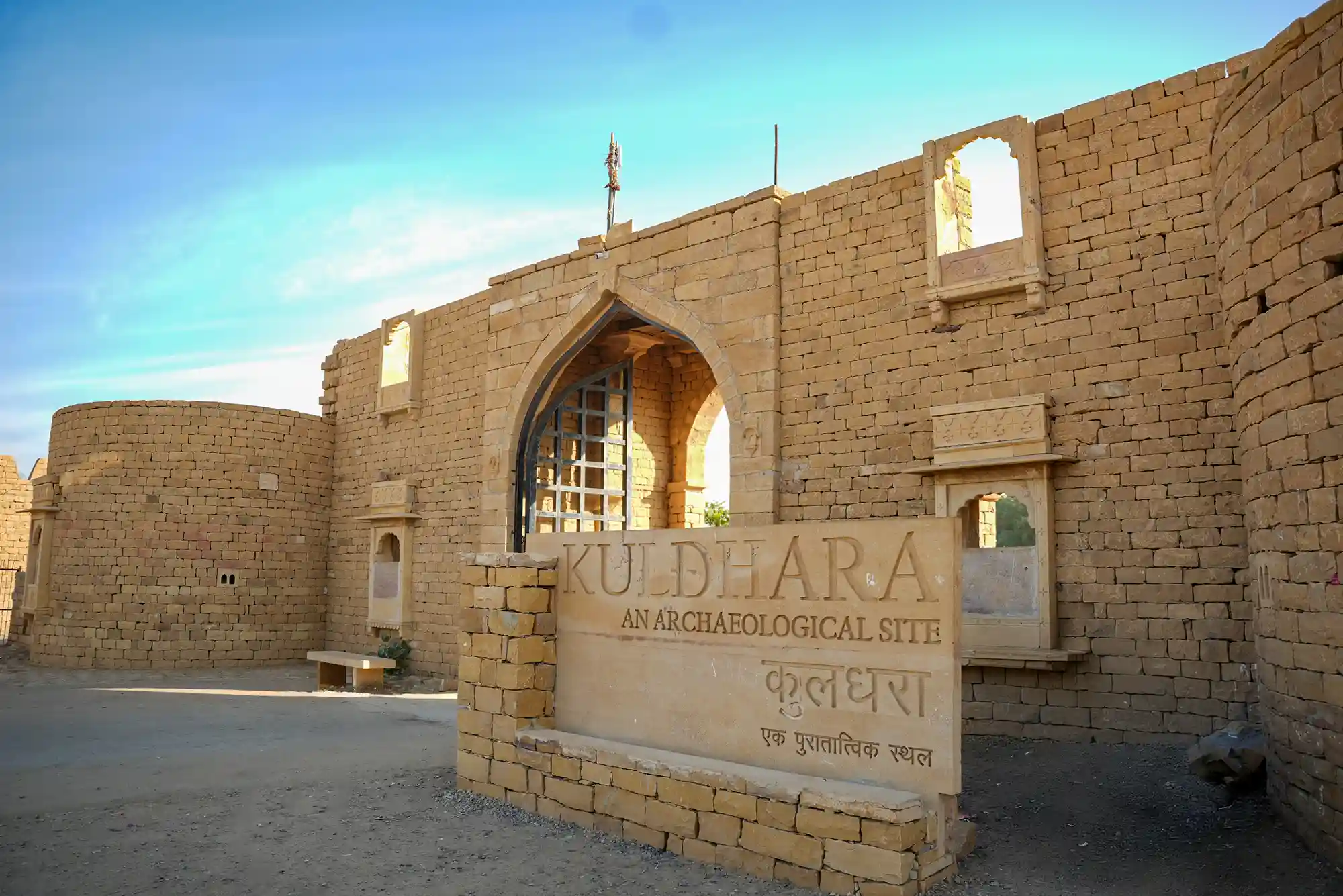
Is Kuldhara Really Haunted? Understanding the Myths Through Slow Travel
Is Kuldhara Really Haunted? Understanding the Myths Through Slow Travel Kuldhara is often spoken about in whispers.A village abandoned overnight.A...
Best Stargazing Experiences in Rajasthan’s Desert
Best Stargazing Experiences in Rajasthan’s Desert Most of us live under lit skies.Streetlights, buildings, vehicles, screens—night has been diluted into...
Digital Detox Travel in India – Why the Desert Is the Best Place to Disconnect
Digital Detox Travel in India – Why the Desert Is the Best Place to Disconnect Disconnection has become a luxury.Not...
Frequently Asked Questions
About Kuldhara
Handmade crafts are disappearing due to low economic returns, time-intensive processes, machine-made alternatives, and younger generations seeking more sustainable livelihoods.
No. The decline is not due to loss of skill but lack of fair value. Many artisans still possess the knowledge, but cannot afford to continue without adequate compensation.
Beyond the object, what is lost includes cultural memory, process-based knowledge, oral tradition, and skills embedded in repetition and time.
Raalli patchwork requires months of hand-stitching but offers limited financial return. As skilled women age and younger generations move away, the tradition becomes fragile.
Travel can help by creating respectful visibility, fair exchange, and appreciation for process—when travellers value time, context, and craftsmanship over low cost.
Cultural preservation travel focuses on observing, understanding, and supporting living traditions without exploiting or commercialising them.
Crafts survive best in their original social and environmental context—within homes, villages, and daily life—rather than in mass markets or factories.
At Dreamtime Bungalows, the only stay located within Kuldhara village, handmade crafts like Raalli textiles are part of lived spaces. Upon request, guests can purchase pieces sourced directly from local women artisans, ensuring fair value and respectful exchange.
Book Your Stay With Us
Book Now & Enjoy the Luxury of Our Cottage!
Whether you’re here for a single night of stillness or a week-long escape into desert life — Dreamtime Bungalows is ready to host you.
Slow down. Breathe deep. Let the desert remind you how simple life can be.
Our Social Media :
The Perfect Winter Escape Awaits!
Cool desert mornings, warm bonfires, and nights under endless stars — book your winter stay at Dreamtime Bungalows.